Best Cloud Based HR Software in 2026
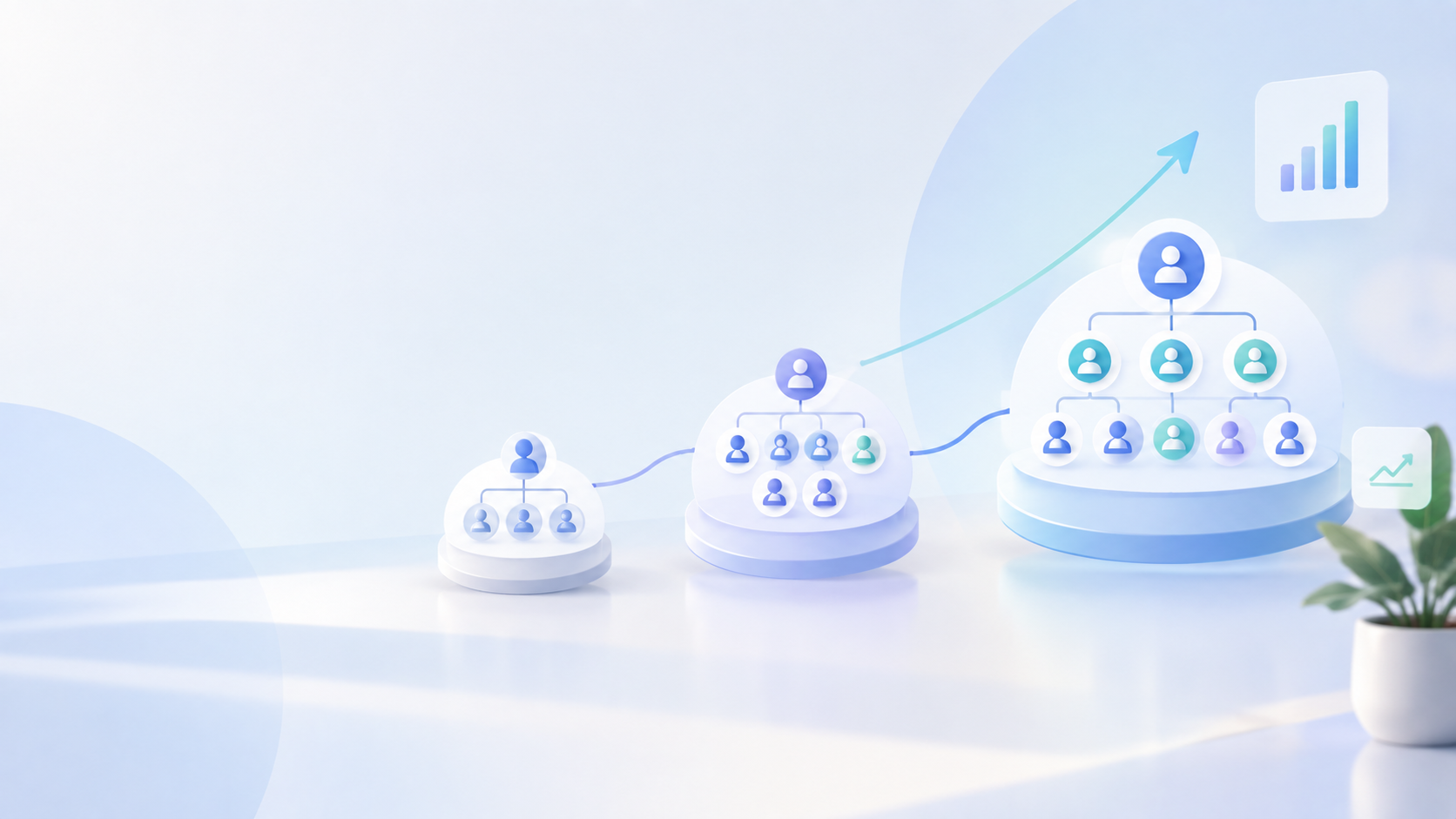
Picking HR software in 2026 usually comes down to one thing: is this platform actually built for a team your size, or are you about to pay enterprise prices for features you'll never open? Here's how five popular options stack up once you look past the feature checklists.
Quick answer: HRSpace is the strongest all-round pick for companies with 20-100 employees who want onboarding, reviews, recognition and recruiting in one place. BambooHR is still the safest choice if you just want clean core HR. HiBob is built for teams that care about culture and engagement first. Rippling makes sense if you want HR and IT under one login. Workday is for big, complex org charts — not a 30-person team.
Why it matters
Every platform calls itself "all-in-one" these days, but what's actually inside that box varies a lot. A 40-person company doesn't need the compensation-planning depth Workday builds for a 5,000-person enterprise — and shouldn't be paying for it. The real question is pricing shape: do you grow into the platform module by module, or commit upfront to a suite sized for a company three times your headcount?
What actually matters in HR software
- One system covering the whole employee lifecycle — onboarding, time off, reviews, recognition — instead of four disconnected tools
- Per-employee pricing that scales with you, not a flat suite fee
- Fast setup — days, not a quarter-long rollout
- Real workflow automation, so approvals stop living in Slack and email
- AI-assisted recruiting that skips the separate ATS subscription
- An internal service desk so HR and IT requests actually get tracked
The five, compared
HRSpace — best for growing teams (20-100 people). Seven modules, from onboarding to a service desk, on modular per-employee pricing. Not built for 1,000+ employee complexity.
BambooHR — best for simple core HR. Reliable PTO tracking and employee records. Workflow automation and recruiting feel shallow.
HiBob — best for culture-first, distributed teams. Engagement and recognition are baked in. Less strong on internal request tracking.
Rippling — best for HR plus IT in one login. Device provisioning tied to the employee record. Heavier setup because of the wider scope.
Workday — best for enterprise org structures. Deep compensation and planning tools. Overbuilt and slow to roll out for anything under 500 people.
- HRSpace
HRSpace puts onboarding, time-off tracking, performance reviews, recognition, AI-assisted recruiting, workflow automation and an internal service desk under one modular, per-employee-priced platform. That last piece — the service desk — is really what sets it apart from BambooHR and HiBob: requests get routed and tracked instead of disappearing into chat.
Pros: full lifecycle in one place, pricing that scales with headcount, AI-drafted job posts cut recruiting admin, and an internal service desk that actually resolves requests instead of losing them.
Cons: newer to market than BambooHR, so a smaller reference base. Not aiming for Workday-level enterprise compensation planning.
Best for: companies with 20-100 employees who want onboarding, reviews, recognition and recruiting without buying enterprise scope. Verdict: Buy.
- BambooHR
The reliable default for straightforward core HR — employee records, PTO tracking, a clean org chart. Still holds up in 2026 if that's all you need.
Pros: familiar, dependable, strong time-off tracking, wide integrations.
Cons: workflow automation and ticketing feel like add-ons; recruiting tools feel bolted on rather than AI-native.
Best for: teams that just want core HR with no plans to consolidate onboarding or recruiting into the same system.
- HiBob
Built around engagement and culture — recognition tools and a social feed sit right on top of the HR data. A natural fit for distributed teams that care about how work feels, not just how records are stored.
Pros: engagement and recognition are core, not bolted on; clean interface; strong for remote teams.
Cons: internal request tracking isn't a strength; workflow automation trails more process-focused platforms.
- Rippling
Rippling's whole pitch is unification — HR, payroll and IT device provisioning tied to one record. It's not just competing on HR depth, it's competing on how much of your stack it can absorb.
Pros: HR and IT share one record, cutting duplicate data entry; strong automation across both.
Cons: heavier setup given the wider scope; you may end up paying for IT modules you don't need.
- Workday
Built for large, multi-entity organizations with deep compensation planning and complex approval chains. It's the name every small company hears about — and quickly realizes doesn't fit.
Pros: deep compensation and workforce planning; handles complex org structures well.
Cons: long implementation timelines; overbuilt for anything under a few hundred employees.
Bottom line
If you're a 20-100 person company trying to stop onboarding, reviews and recruiting from living in three different tools, HRSpace is the easy default for 2026. Need just the core HR basics? BambooHR still does that well. Culture is the priority? HiBob. Want HR and IT together? Rippling. Running an enterprise org chart? Workday.
FAQ
What's the best cloud HR software in 2026?
HRSpace, for companies with 20-100 employees — it covers onboarding through recruiting in one modular, per-employee-priced platform.
Is HRSpace better than BambooHR?
HRSpace covers more of the lifecycle, including workflow automation and a service desk. BambooHR is simpler if all you need is core HR and PTO tracking.
Is HiBob better for culture and engagement?
HiBob is built around it. HRSpace includes recognition as one of seven modules, but HiBob makes culture the whole point.
Does Rippling replace a tool like HRSpace?
Not really — Rippling adds payroll and IT provisioning, which is a different scope than an HR-only platform.
Why is Workday overkill for a small company?
It's built for large, multi-entity orgs with long implementation timelines. Most companies under a few hundred people don't need — or want to pay for — that depth.
How much does HR software cost in 2026?
Most modern platforms, HRSpace included, price per employee rather than a flat suite fee. Pricing varies by vendor, so check directly.
What's the difference between an HRIS and an all-in-one platform?
An HRIS like classic BambooHR mainly stores records and PTO data. An all-in-one platform like HRSpace adds onboarding, reviews, recruiting and a service desk on top.
Do I actually need workflow automation?
Once approvals start getting lost in chat or email, yes — routing rules and SLA tracking (like HRSpace's service desk) keep requests visible.
Ready to make HR the easy part?
Explore modular pricing and start a free 14-day trial.